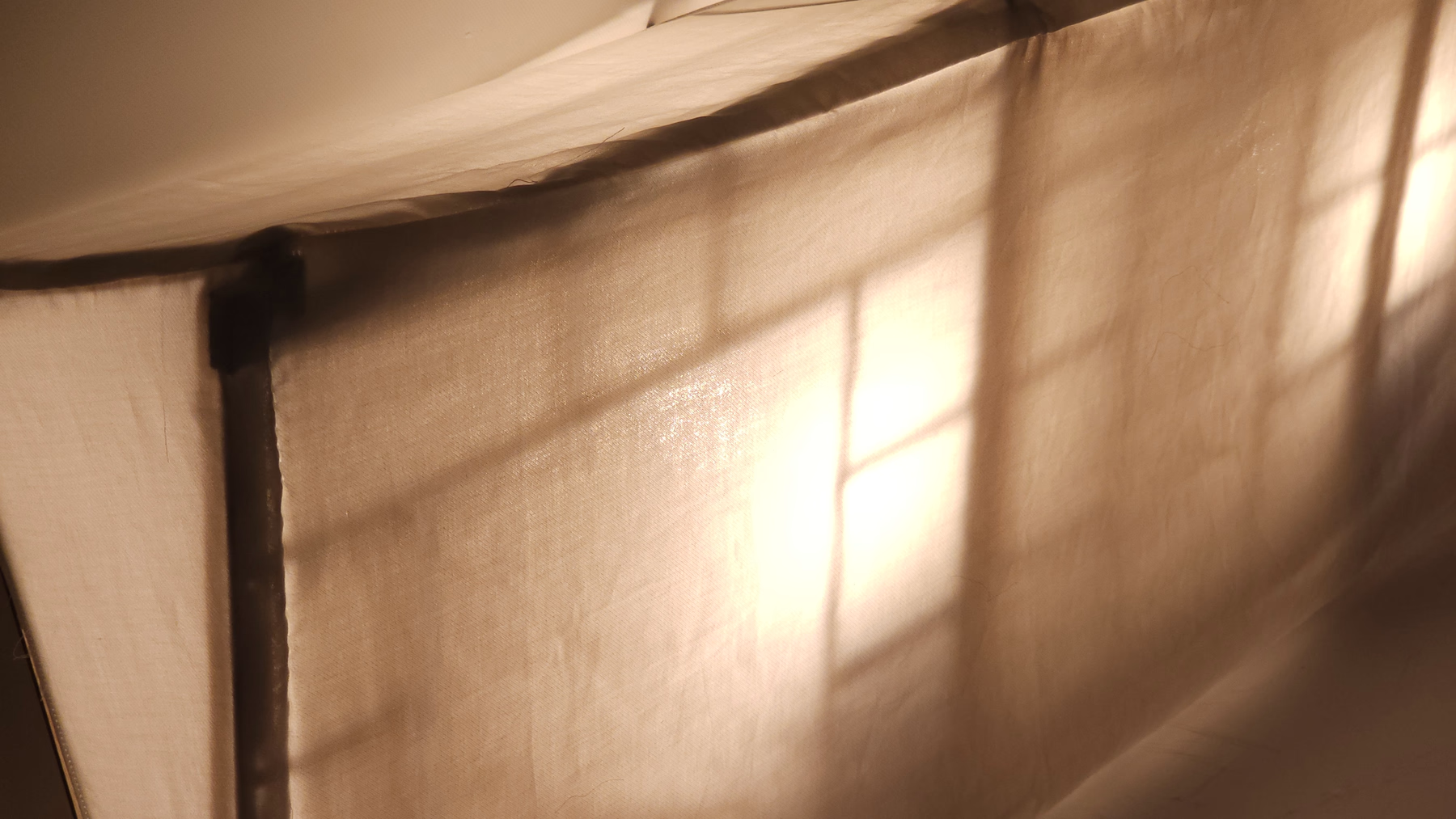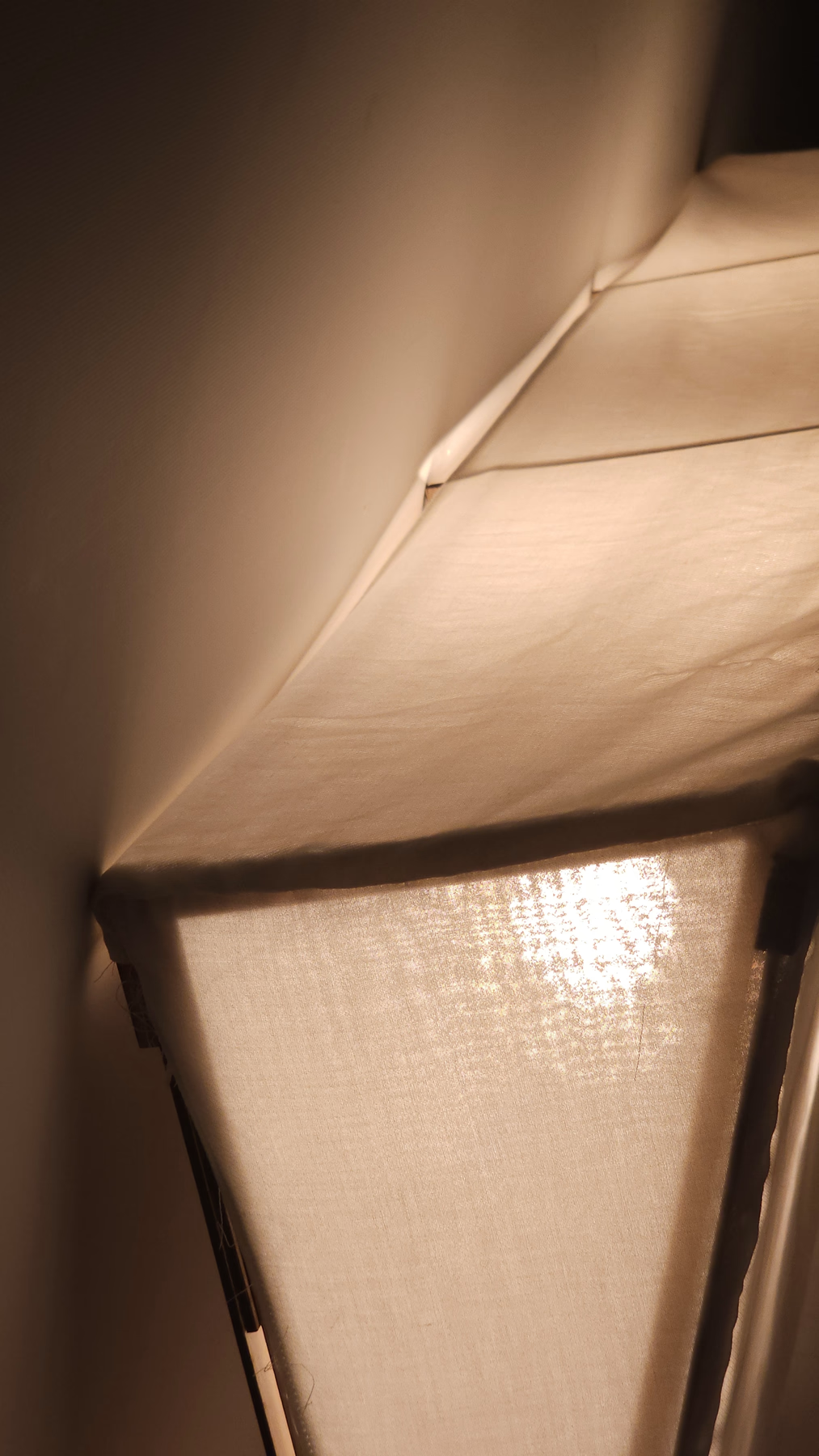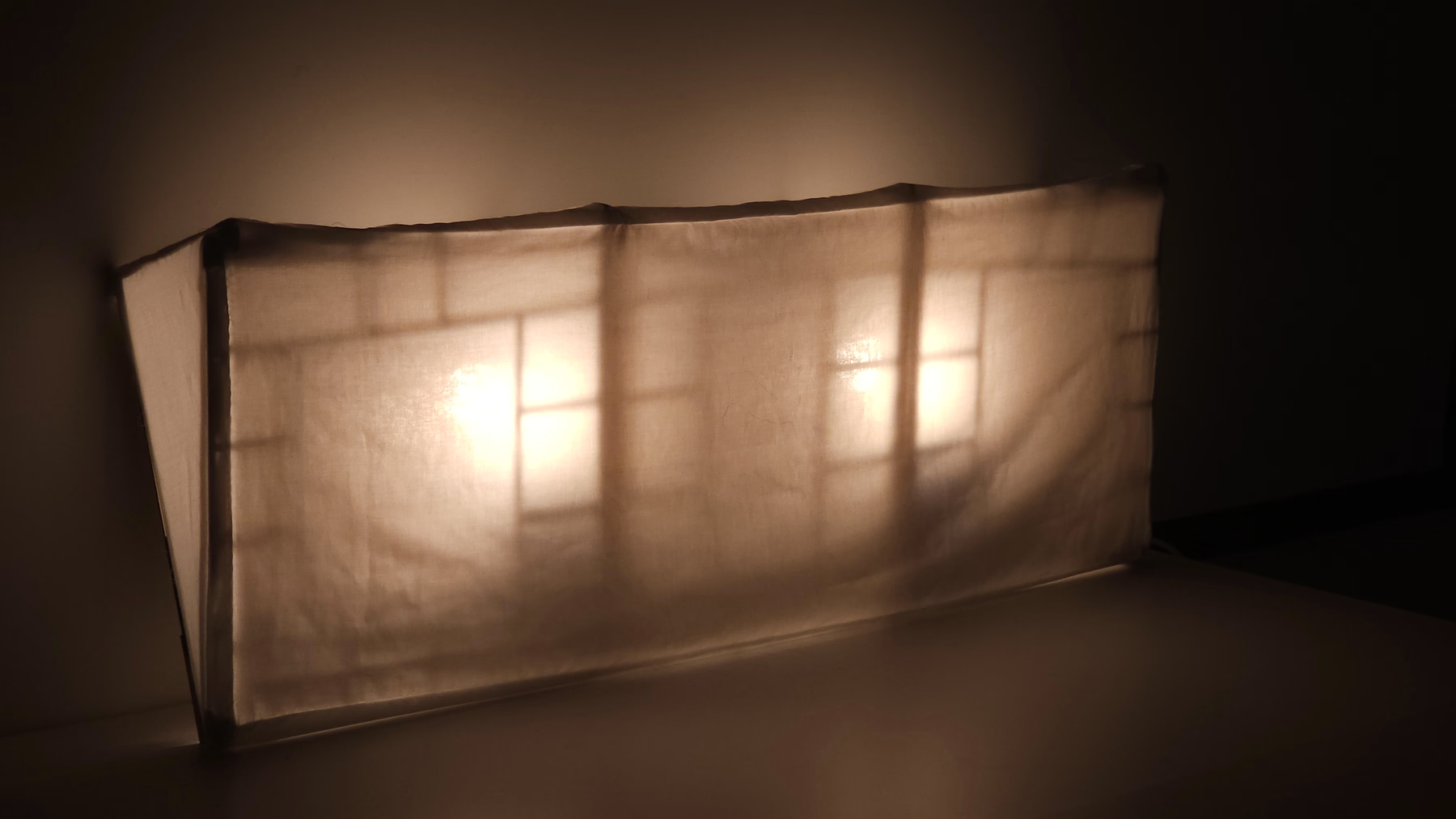
This project reimagines bedrooms in Stuytown, which historically served as an affordable residential community for returning World War II veterans. Many of these rooms rely on a single window for natural light, often facing directly toward neighboring buildings, which can create a sense of enclosure and visual discomfort. Rather than altering the existing architecture, the project uses lighting as the primary design strategy to expand the perceived openness of these spaces. Inspired by traditional Korean Hanok architecture, the design introduces layered ambient lighting with soft and diffused illumination. The warm tones of the light soften the rigid geometry of the rooms while visually extending the boundaries of the interior. <Breathing Space> transforms confined bedrooms into brighter, more breathable spaces that evoke openness and emotional comfort despite the space's physical limitations.