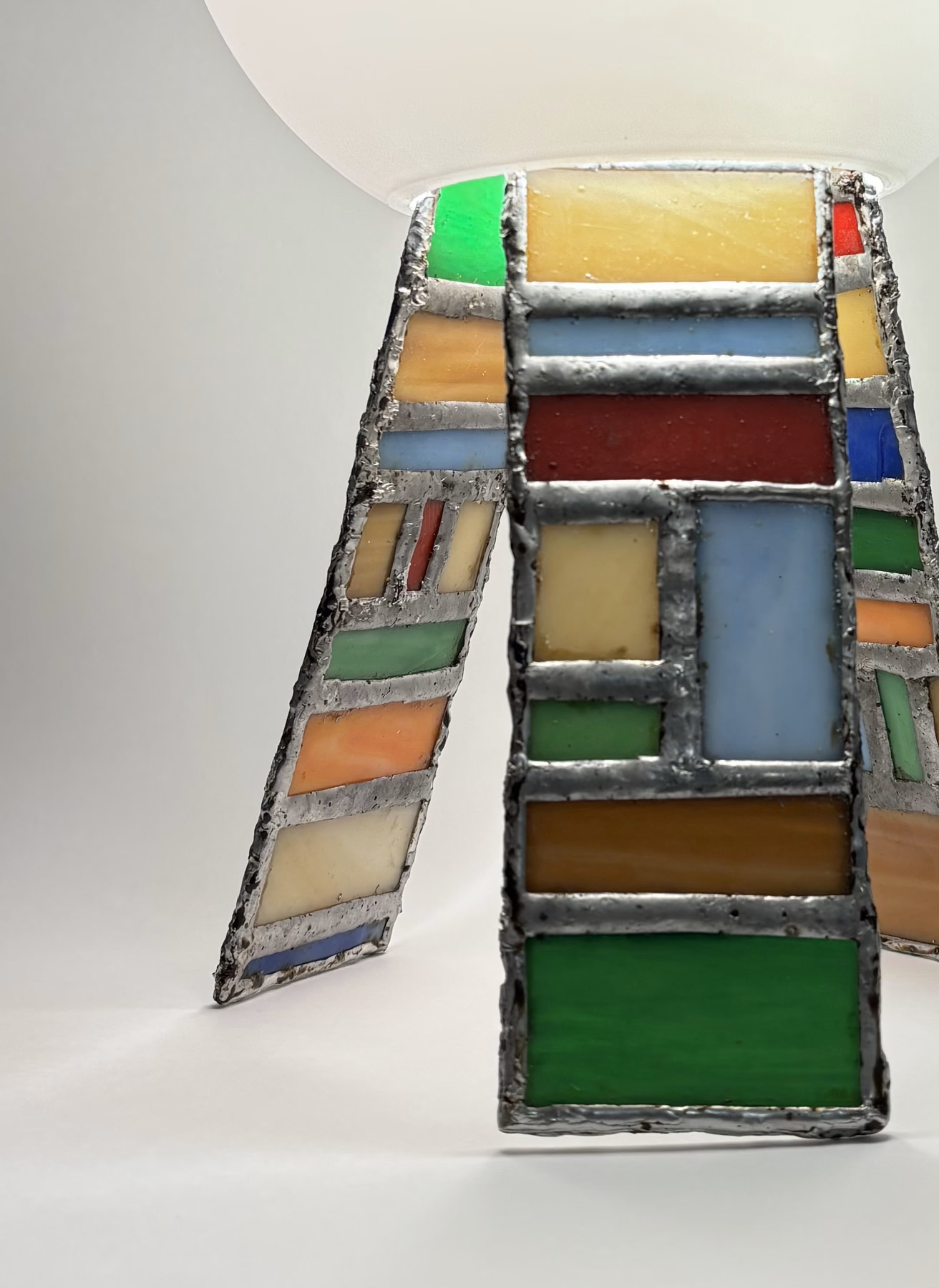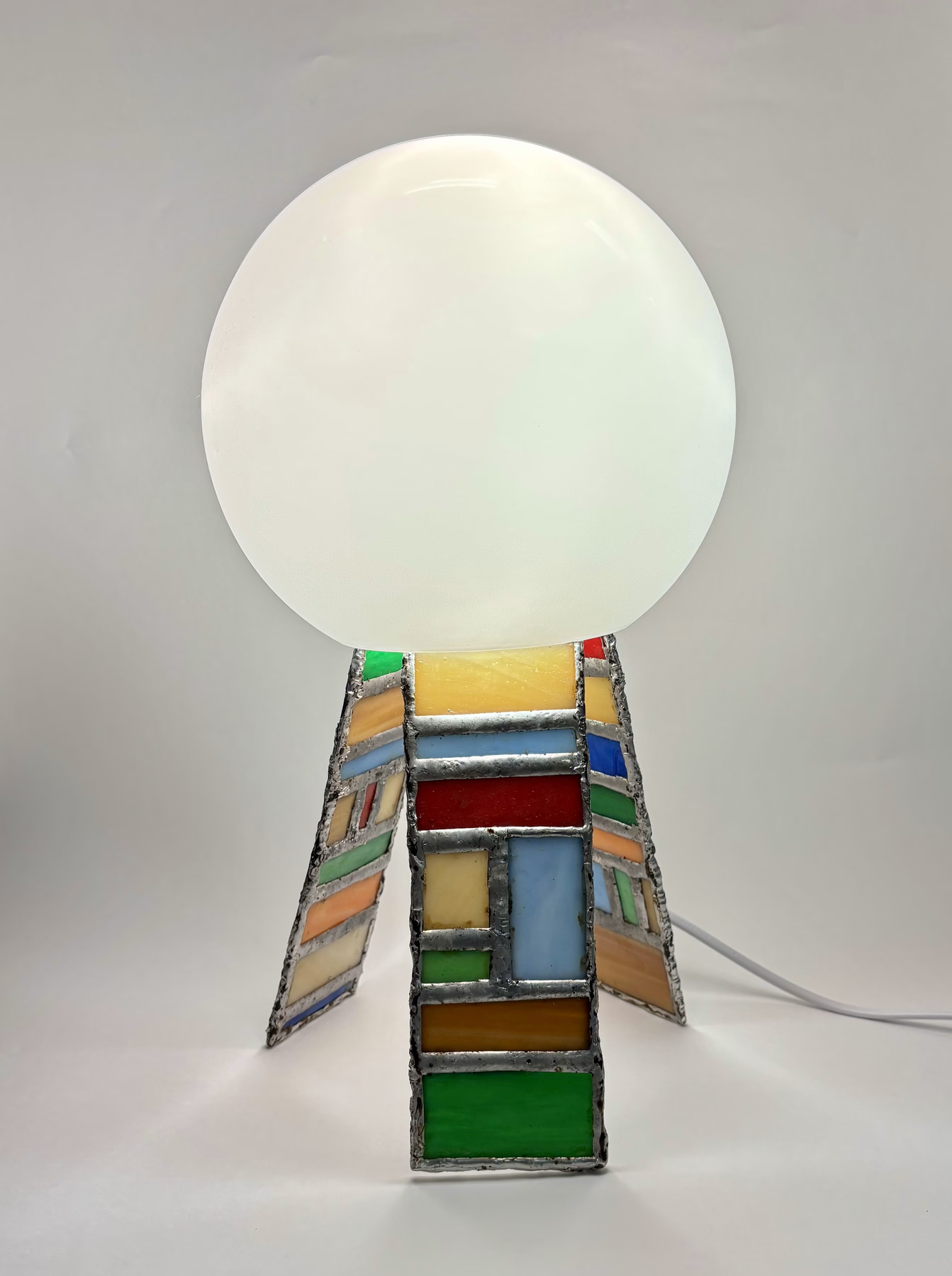
Spolia is an architectural term that describes the reuse of elements from older buildings within new ones. Instead of discarding fragments of the past, they are incorporated into contemporary structures where they take on new meaning. This project applies that idea to the Tiffany stained glass tradition. Tiffany lamps are historically defined by their stained glass shades, where colored glass surrounds the light and serves primarily as ornament. In this design, that relationship is reconsidered. The stained glass construction is moved from the shade to the base, transforming a decorative element into a structural one. Using the traditional copper foil technique, individual pieces of colored glass are soldered together to form a geometric base that supports the light above. The globe contrasts with the handcrafted glass below, allowing the structure and material of the stained glass to remain visible while grounding the lamp in a contemporary form. Rather than reproducing a historic Tiffany lamp, Spolia repositions the technique within a modern context. The project reflects a broader design question about how historic crafts continue into the present. Instead of allowing iconic techniques to disappear, they can be reframed, adapted, and carried forward. In this way, the lamp treats Tiffany stained glass as spolia, a fragment of design history embedded within a new object.