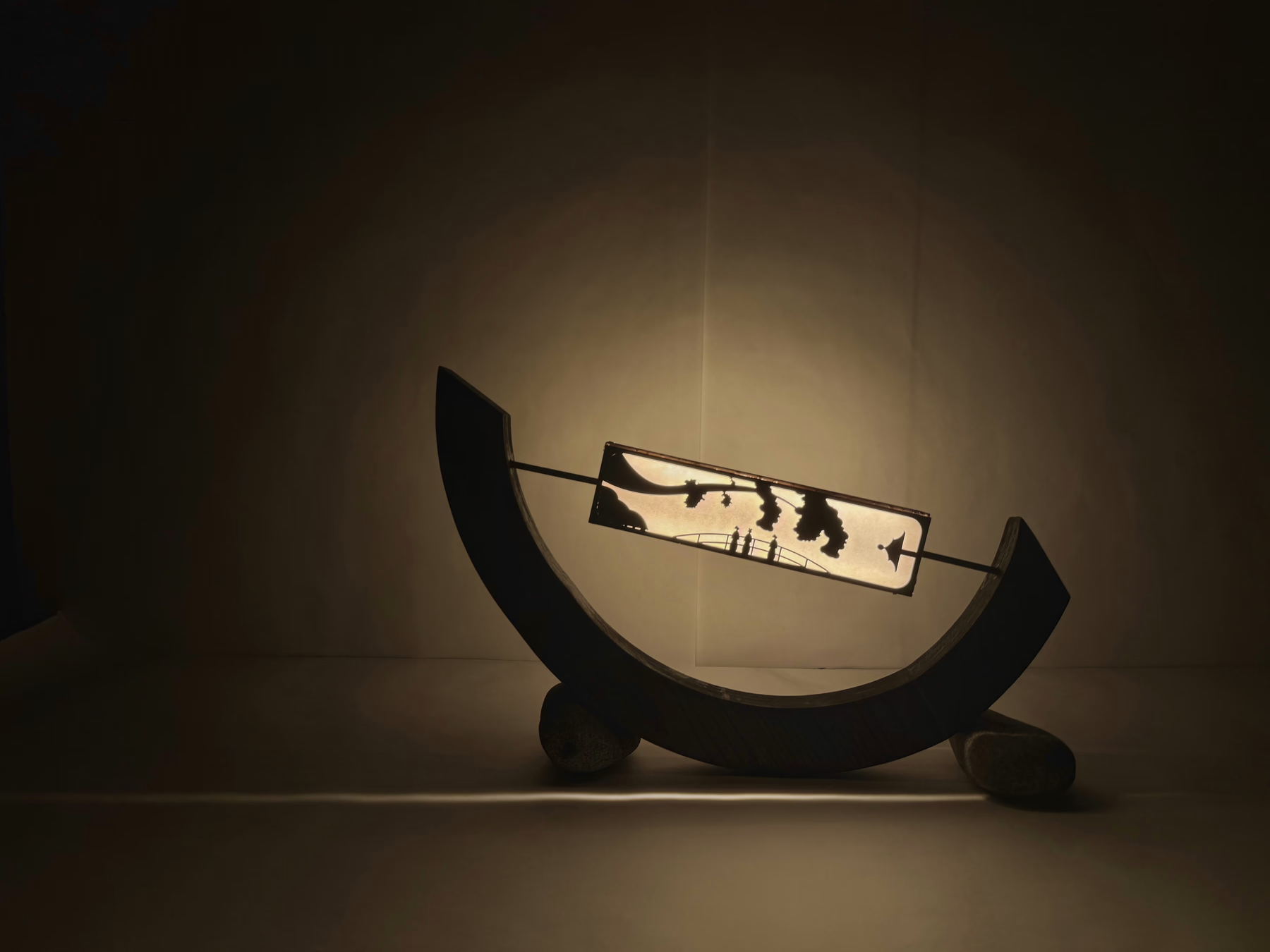
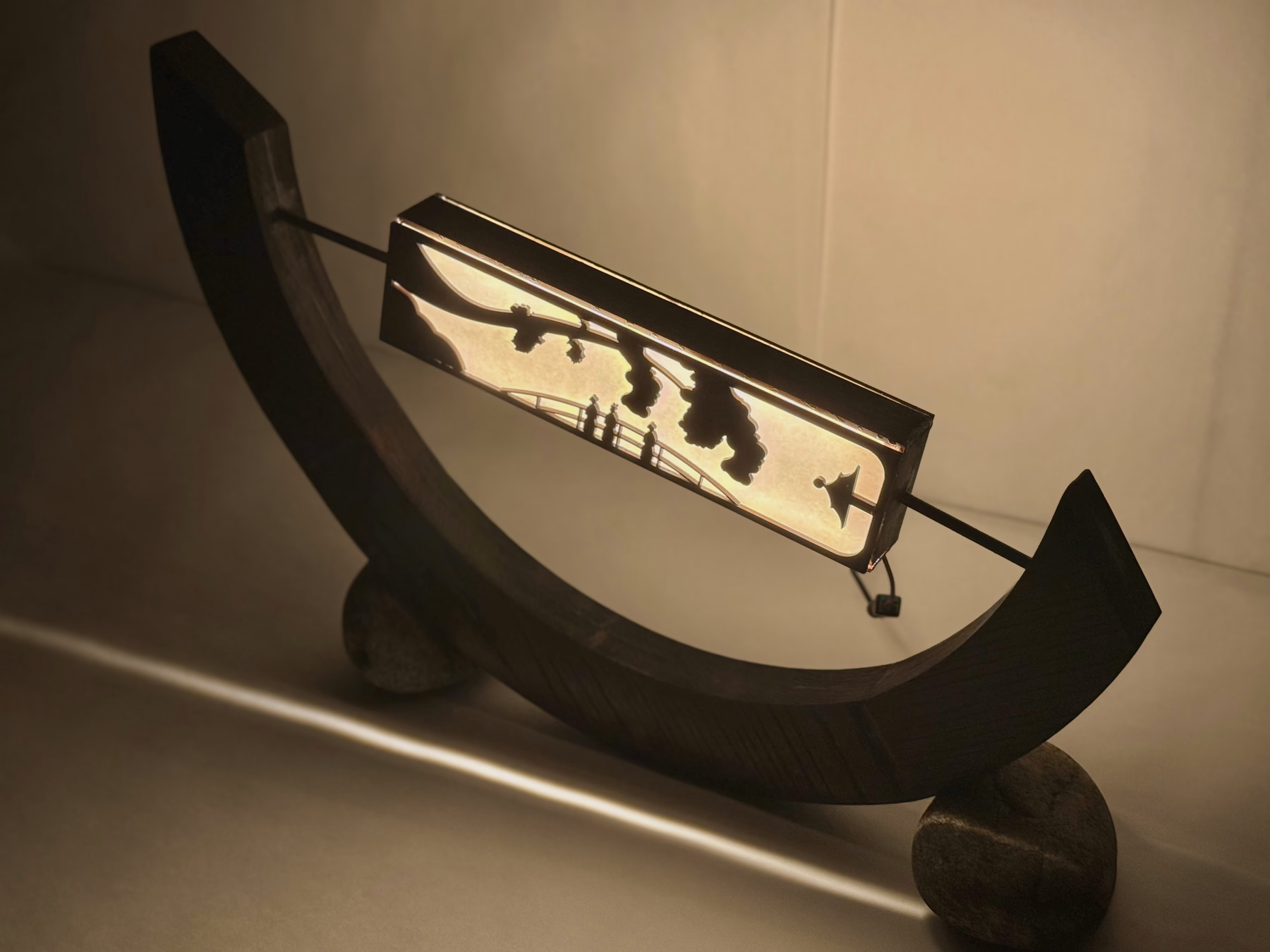
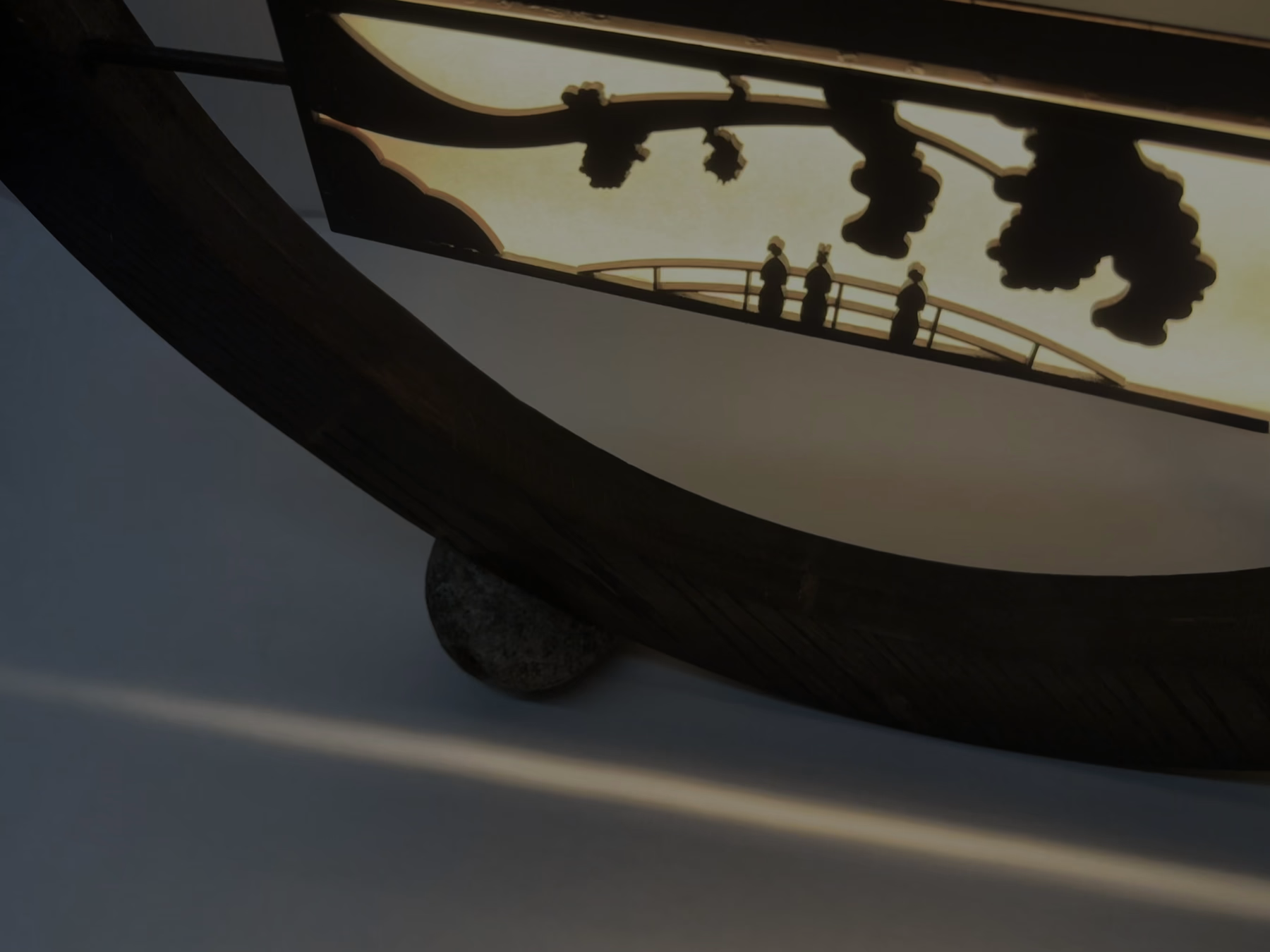
Gate of Komorebi reinterprets ancient East Asian spatial and philosophical elements through a contemporary lighting object, embodying the theme "Everything Old is New Again." The semi-circular wooden frame draws from the form of the Chinese moon gate, a threshold symbolizing passage, transformation, and the framing of nature. Simultaneously, its incomplete arc echoes the Japanese ensō, a hand-drawn circle representing imperfection, continuity, and the beauty of the unfinished. Together, these forms create a suspended moment between entry and stillness. At its center, a slender illuminated box intersects the arc, inspired by traditional Japanese wooden craftsmanship and ranma transom panels. The carved silhouettes transform light into narrative. As the light passes through, it mimics komorebi: the fleeting, poetic effect of sunlight filtering through trees. The structure rests gently on natural stones, referencing Japanese rock gardens. These stones ground the piece, contrasting the precision of crafted wood with the organic irregularity of nature. By merging architectural symbolism, craft traditions, and ephemeral light, Gate of Komorebi bridges past and present, transforming ancient cultural design elements into a modern object that invites reflection, pause, and passage.