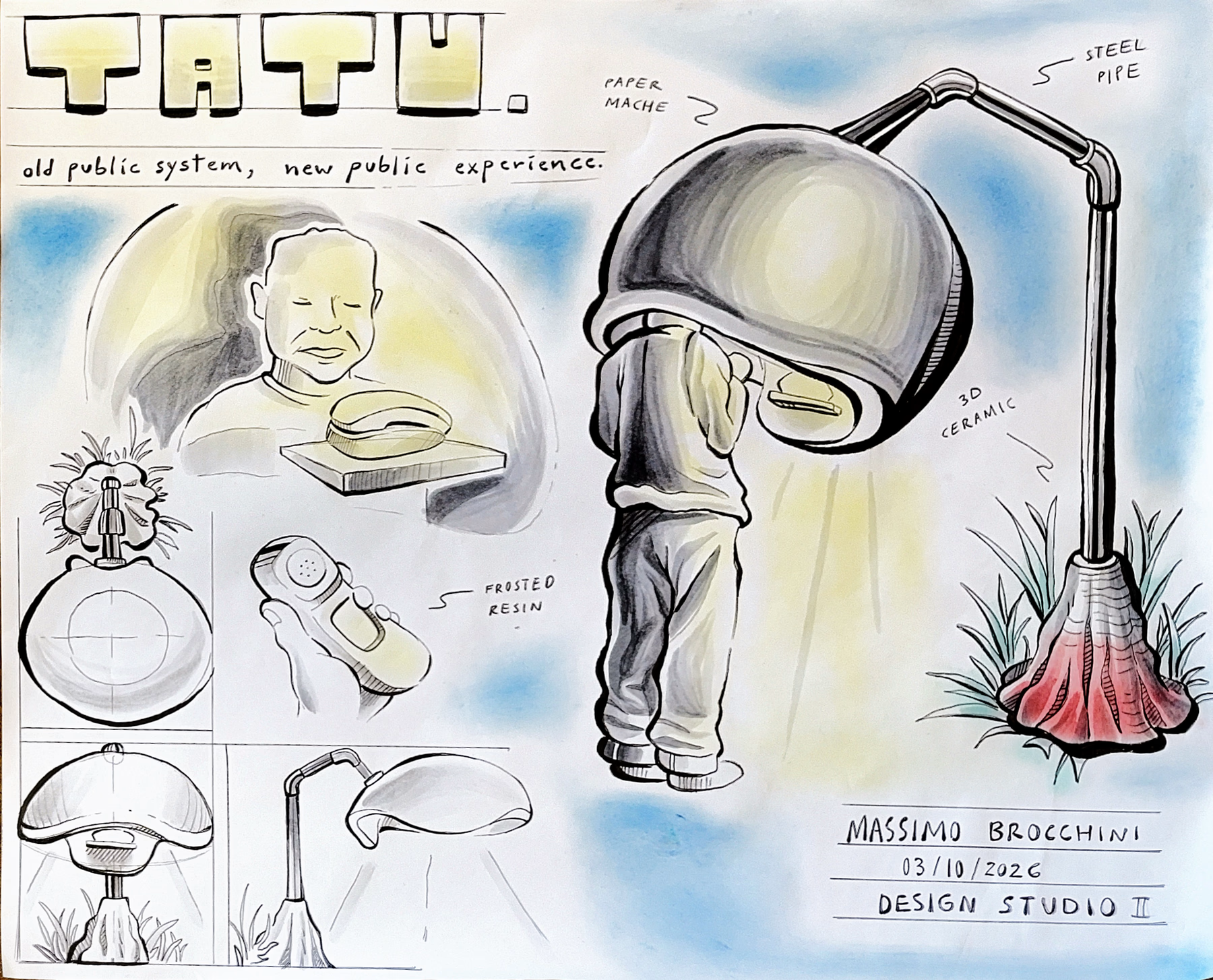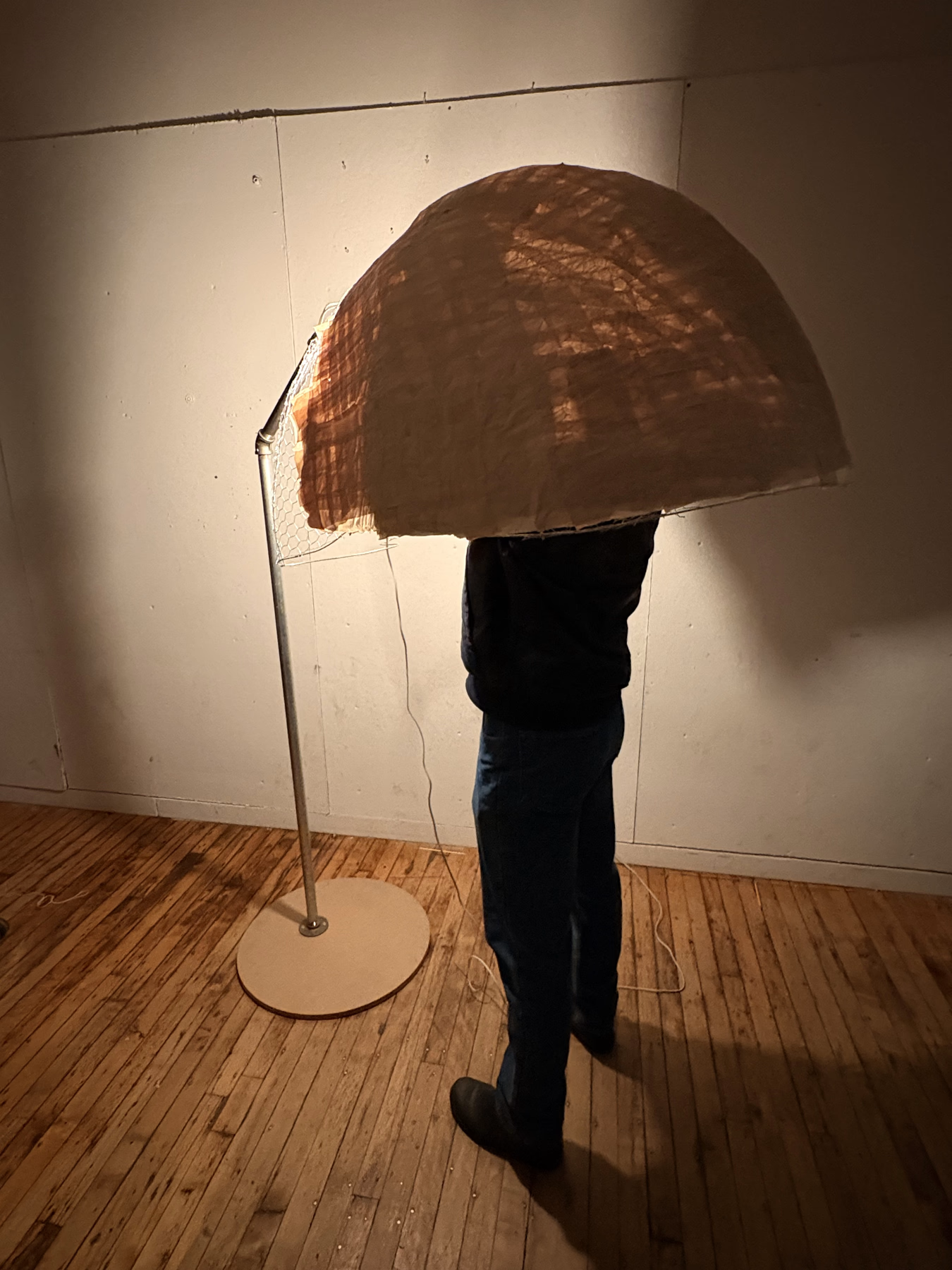
tatu is a proposed revival of the orelhão. Portuguese for "big ear," Brazil's iconic public phone booth, once abundant and beloved, became a cultural symbol before being abandoned. Can this space be refreshed without losing what made it resonate in the first place? tatu addresses the original booth's core failures: poor lighting and a sense of isolation. A 3D-printed ceramic base encourages vegetation to take hold; steel piping, frosted resin, and papier-mâché complete the structure. The material palette draws from both Brazil and the US, giving the design a dual-rooted identity rather than a single fixed origin. The object's ambition is emotional as much as functional. The shade acts as a helmet, a shell; something protective. The light emanating from the phone warms the space around it. In the dark, tatu pulls you toward it from a distance, making you want to come closer. It offers what public infrastructure rarely does: a genuine feeling of safety and belonging. Portuguese for armadillo, tatu refers to an animal that carries its shelter on its back.