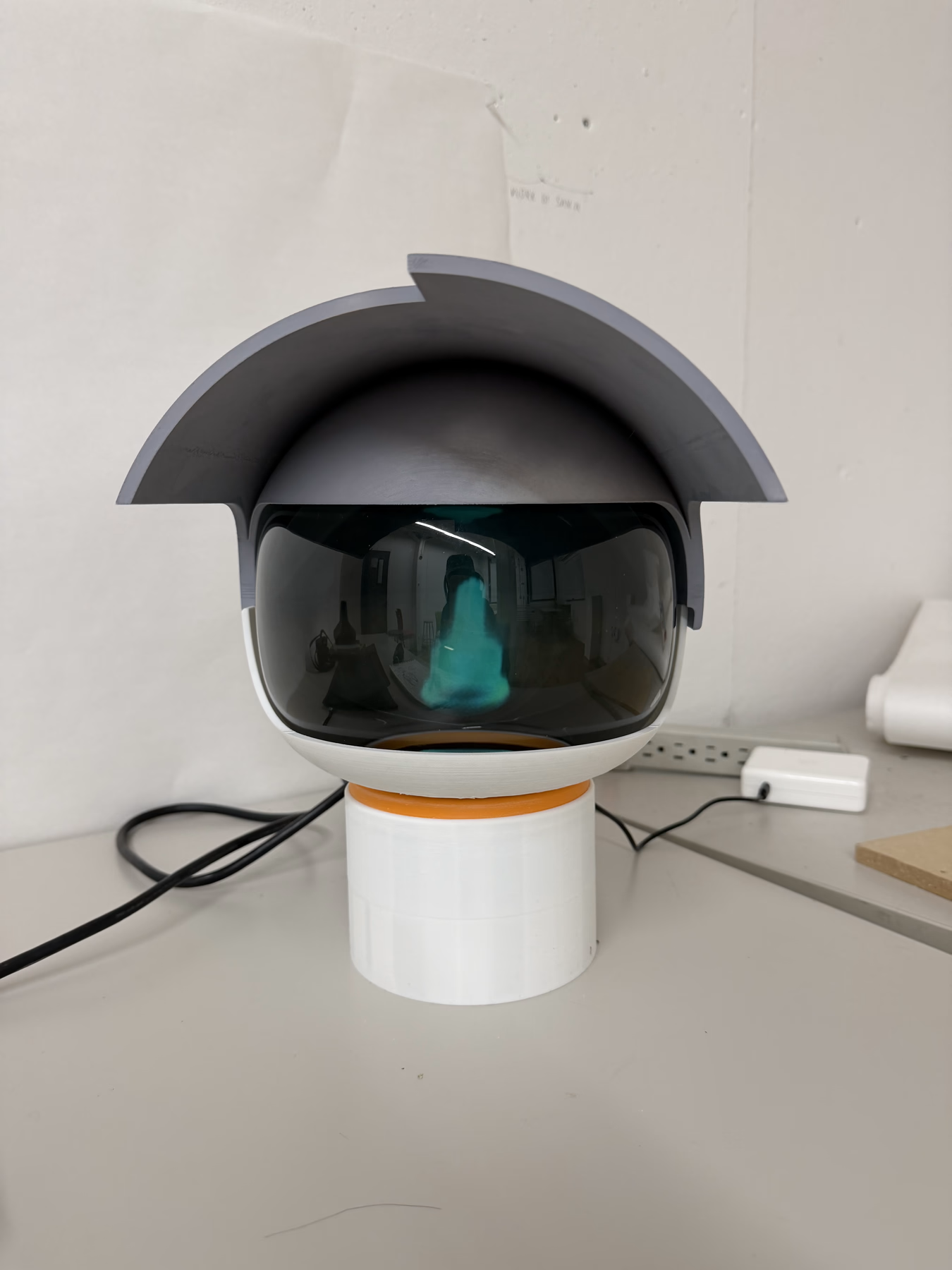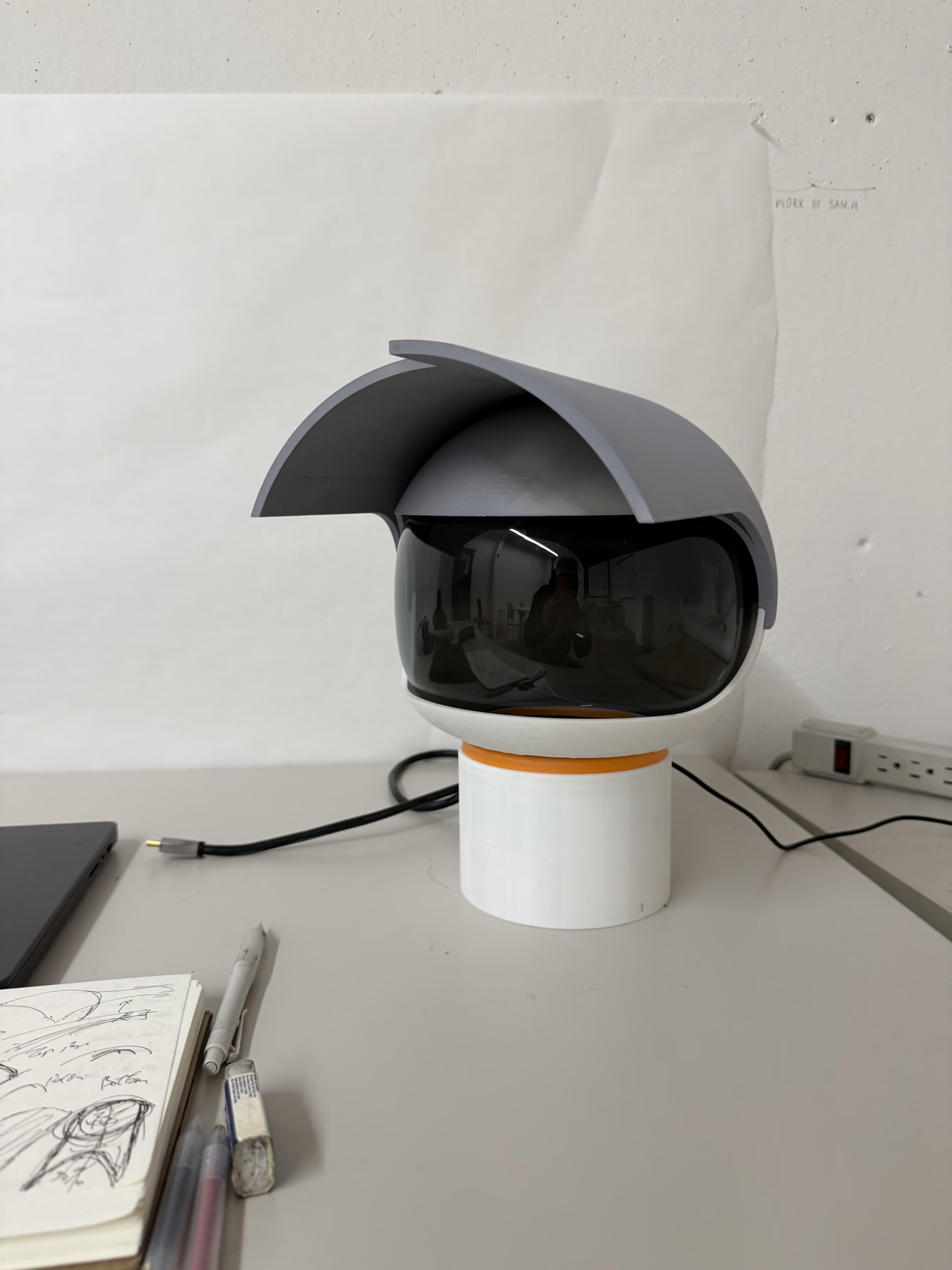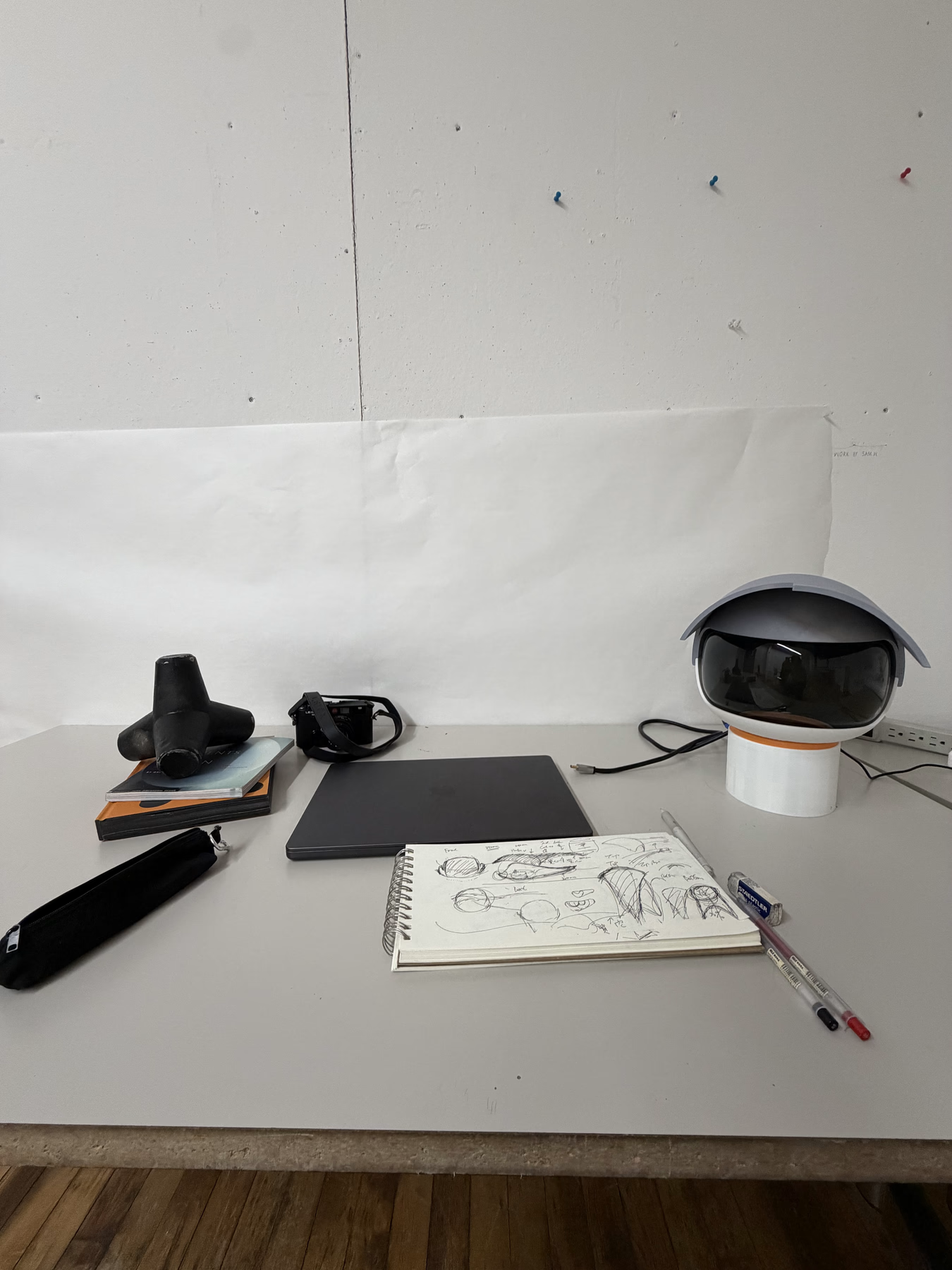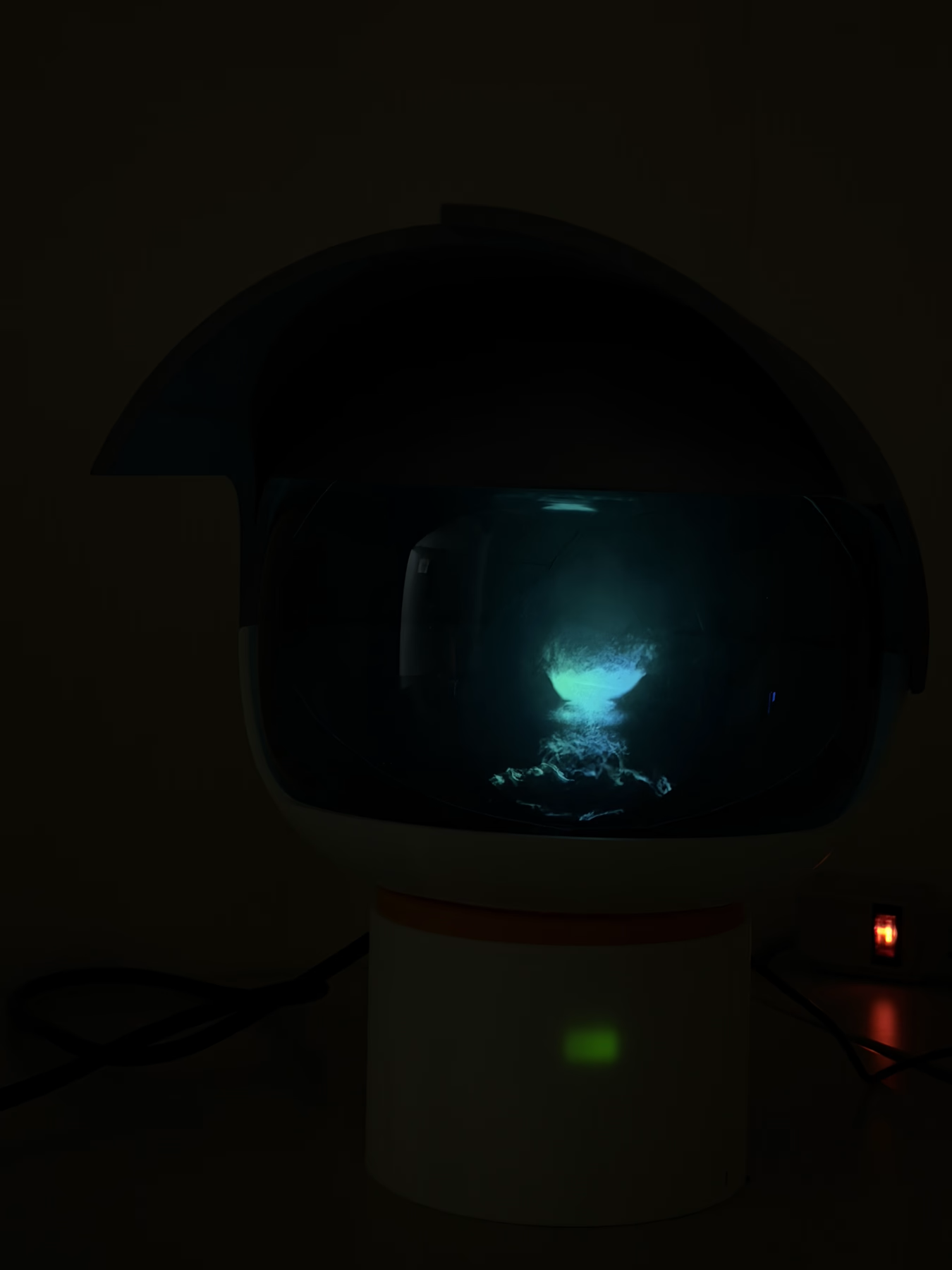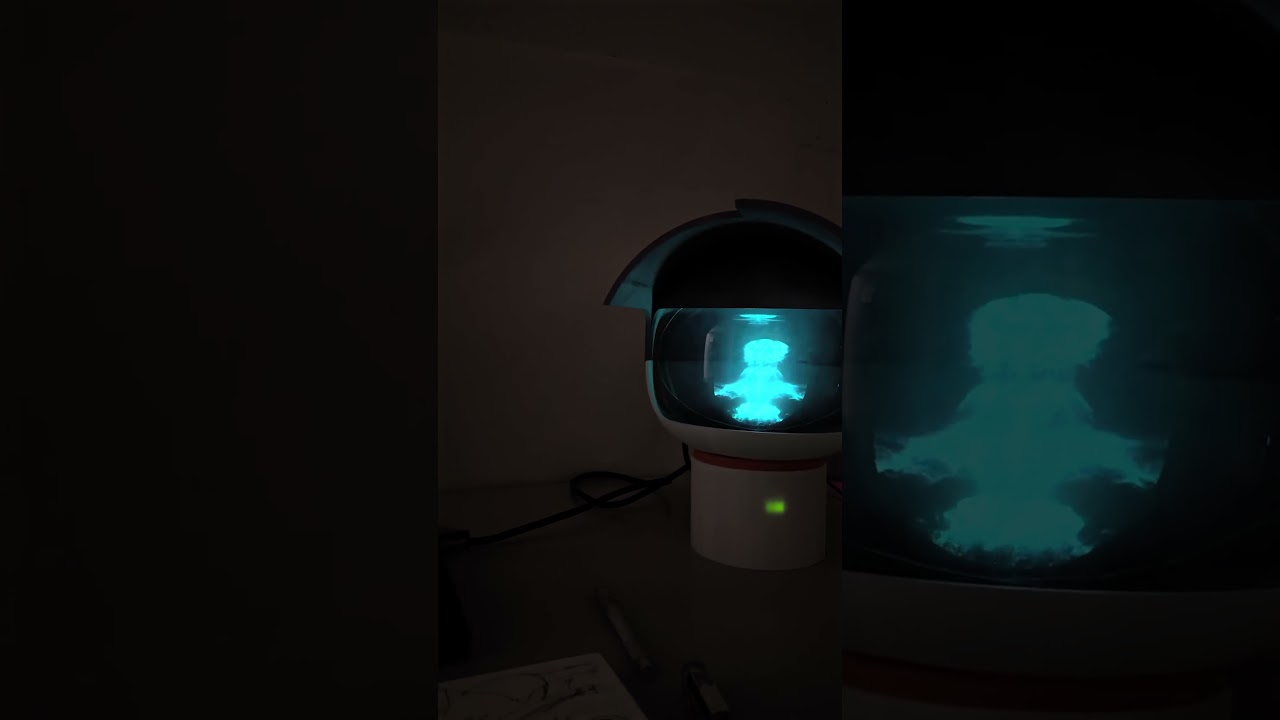
In 1862, John Henry Pepper used an angled sheet of glass to project a ghost onto a theatre stage. The trick worked because the audience didn't see the glass - they only saw what it reflected. Phantom Light borrows that same logic, 164 years later, and puts it on your desk. The lamp is built around a found glass dome - sourced, repurposed, and reused. Beneath it sits a small LCD screen driven by a Raspberry Pi, running a generative animation built in TouchDesigner. The screen's image reflects off the inside of the dome at an angle, creating the illusion of something floating inside the glass. No projection mapping, no smoke - just geometry and light doing what they've always done. The animation is audio-reactive. It reads the music playing in the room and changes shape in response - slower and looser with ambient sound, tighter and more geometric with something rhythmic. The idea is that you pick the music based on how you feel, and the light follows. It's a mood light in the most literal sense. The body of the lamp draws from mid-century industrial design - the kind of optimistic, forward-looking aesthetic that assumed the future would be interesting rather than frightening. The finish is a warm orange-red. The light output stays in warmer tones. The form is meant to feel confident, not anxious - which felt like the right counterpoint to build right now. The project is essentially about pairing things that have no business being together: a 19th century optical illusion, a found object, a single-board computer, and real-time generative software. The fact that they work together is the point. - "Everything old is new again"